The Angry Child's Hidden Story
Discover the hidden pain beneath anger and respond with connection, not control.
Presenta: Jeanette YoffeGrabado en jun 202685 minInglés · Subtítulos (CC)
Lo que aprenderás
- Anger is not the problem. Every angry child is asking a hidden question (“Will you still love me? Am I safe?”), and anger is a secondary emotion that covers shame, sadness or fear.
- The three types of anger in children with attachment challenges (protest, protective and grief anger) and the unmet needs beneath the iceberg, the five A's: affection, attention, autonomy, acknowledgement and appreciation.
- A child in stress reads your body before your words: how the seven nonverbal cues set the thermostat in your home, and how matching your child's rhythm and intensity (intersubjectivity) helps them feel heard.
- Why “calm down,” lectures and isolating timeouts backfire, since what gets repressed will be expressed. A timeout is for the dysregulated parent; what the child needs is connection before correction.
- How to notice your own “shark music” (from Circle of Security), pause like a first responder with 4-7-8 breathing or tapping in, and respond with PACE: playfulness, acceptance, curiosity and empathy.
- Why shame needs empathy and repair comes from the parent, plus tools to try at home: a body sock, the hand model of the brain, an anger bag and the boundary exercise.
Transcripción Ver transcripción completa +
0:00Throughout history. We've struggled to get it right We hope we won't you can hear that. Yes, perfect We're not hearing anything Are you have you started yet? Nope not yet. Okay. Thank you Okay, good morning, thank you everyone for being here today with me I am your presenter Jeanette Yoffe and I will be presenting on the angry child's hidden story attachment responsive tools for Adoptive families for those of you who don't know who I am. I am a psychotherapist I work in the field of adoption and foster care for many many years in Southern California And I'm now working with families in Northern California as clinical director at LEAF Wraparound. I
0:56Also grew up in the New York State foster care system and was adopted at the age of seven and a half So I do have personal lived experience and professional experience in the field So this morning the topic of anger comes up in our families More often than most so I thought it was apropos to do a training specifically on anger So we need to see that anger is actually a valid Emotion anger is not the problem. We want to reframe the way We look at anger and that's through an anger lens and Anger is a messenger a protective part a Survival strategy. It's a signal that something deeper needs attention Something matters deeply. That's why we raise our voice. That's why we need to be heard seen and received
1:56There's something that matters deeply the hidden question Every angry child is asking will you still love me if I express that anger? Will you still adopt that part of me and everything else? Will you still love me? Am I safe? Will you leave me? Can I trust you? Children who've even been separated at birth do experience attachment challenges Because the rug has been pulled out from under them at birth and they may not Cognitively remember this experience, but their bodies remember this experience. So angry kids will do angry things common behaviors for Children who were adopted they can push their parents away emotionally and psychologically It can feel like a push pull I'm gonna bring you close but only so close and there can be walls. They can reject affection
2:56They can sabotage success They can create conflicts. They will test the relationship Am I secure here? These are often about attachment and testing the security of the attachment So a question for everyone here parents when your child becomes angry What do you most often feel you can put that in the chat? And if you have any questions, please put them in the chat I will get through the PowerPoint and then at the end I will answer your questions. So for parents Often parents become frustrated with their child's anger They feel helpless not knowing what to do. They're angry themselves. They can be confused Concerned and exhausted
3:44Because it happens repeatedly and there's usually a pattern to anger. So what does anger often cover? This is an anger wheel that I give to all the children I work with as young as children can read and We explore the anger managing your anger. What's behind it? What's driving your anger and what people don't often realize is that anger is a secondary emotion It's not the initial feeling that comes up That rises in someone's body It's another feeling that comes first and it's usually one of these shame sadness fear frustration guilt disappointment worry engagement jealousy hurt or anxiety and it's
4:41Psychoeducation children need a lot of psychoeducation Anger is valid. We all have anger sometimes and What we want to do is identify what it's covering What it's protecting that person from feeling? So just having this anger wheel and having conversations with kids is Helping them understand how to manage their anger how to identify their anger and then sometimes I'll put this on a poster board and Put arrows what's something that you are afraid of what's something that you do feel guilty about Because as we go deeper we can make more sense and Help kids integrate their feelings and thoughts about what's what they're experiencing So there are three types of anger that I've developed for this training to acknowledge when it comes to children with attachment challenges number one is the protest anger and I want you to think about your children what lies in
5:39Protest anger the thoughts are don't leave me. Don't give up on me. Yes, I'm testing the relationship and It's because I can't trust yet This anger is driven by the fear of separation a potential rejection or abandonment So this anger is driven by fear of separation rejection or abandonment the child may become defiant argumentative clingy or explosive when they feel disconnected from a caregiver what it looks like arguing over small things Following parents around while saying I hate you controlling behaviors Meltdowns during transitions escalating when a parent leaves So what's underneath is fear and insecurity and a need for connection and need for connection and it
6:37feels There's irony here because it's confusing for parents to go wait. They're pushing me away and yet they need me close Yes, we need to embrace and accept This fact with protest anger and I'm going to give you a lot more tools But right now what anger needs is understanding why there's a protest. I need you close I need to keep your attention I need to keep in control of you because I don't feel in control in managing my own emotions And children are actively seeking out co-regulation All the time whether it's through their friends their teachers and their parents They're seeking guidance and how to manage these big feelings that are coming up in the bottom protective anger What lies beneath this? I need to protect myself that wall
7:33Before I get hurt Which means I'm going to reject you so potentially you can't reject me Children who have experienced trauma often learn that vulnerability is dangerous Anger becomes emotional armor that keeps others at a distance What it looks like aggression intimidation I'm going to push you away refusing help defensiveness pushing away caring adults Controlling behavior. So what's underneath fear shame helplessness? And mistrust understanding anger and then there's grief anger Grief is often pushed under the rug when it comes to adoption. Adoption is formed through loss A child loses their genetic history their birth family origin
8:28Their cultural medical information faith information They lose a lot as well as birth parents and if we have adopted parents coming Into adoption through infertility loss all members In an adoption are experiencing grief related to their loss Because something important was lost Many attachment challenged youth carry unresolved grief related to separation from birth parents possible foster placements siblings culture Or any other early experience. So anger often masks sadness too. So what this looks like is irritability moodiness sudden emotional outbursts Destroying belongings these things don't have value Angry reactions, especially around birthdays birthdays can be very challenging for adopted people holidays
9:27That remind them of their loss of being with family members in previous holidays Or an or grief anniversaries the ends of school Transitions the ends of things or when things die When there's a death what's underneath sadness loss longing and heartbreak. So the anger iceberg again
9:50We want to understand that traditional methods of changing These undesirable behaviors, right? They're not pretty. They're messy. They're disorganized Only look at the surface of behaviors traditional methods What we're here to learn is to have that trauma lens that we from loss lens and that attachment lens For children with trauma histories The goal is to look beneath the surface of the behaviors to see what is causing the behaviors So we see the tip of the iceberg We see all the behaviors the hitting protests yelling defiance aggression We need to put on that lens So that we can look beneath the iceberg and be curious about any unmet attachment needs And I I encourage everyone here to memorize the five A's These are needs
10:46Emotional and psychological needs that we all need for healthy development We all need affection and that's levels of touch that feel soothing and nurturing with kids with physical abuse histories or sexual abuse We need to teach them How to have healthy safe touch Dose by dose by dose. They're not going to be able to receive a full bear hug Yet They may just need a high five for now and that's good enough and that's meeting their need Affection as they tolerate that closeness They will increase their ability to tolerate more affection attention all kids need listening Just listening it doesn't mean we're giving unsolicited advice Talking them out of their feelings Just listening is meeting a need and feeling heard seen and received and witnessed
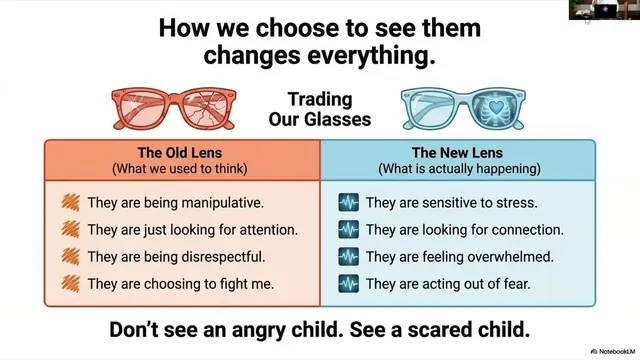
11:42Is feeling It's getting that need of attention Autonomy do they need autonomy in the moment, alone time, some space and Acknowledge me acknowledgement that you matter you exist You exist so much you matter so much that I am willing and able to sit here and stay patient and understand What's driving your anger? I'm going to work hard and leaning in and figuring out What is driving this behavior so we can name it to tame it and then appreciation We all need appreciation. I appreciate each and every one of you for being here today And learning and taking in new information and seeing your child differently Because we need to accept and embrace with anger Confused kids are going to do confusing things Sad kids are going to do sad things and scared kids are going to do scared things
12:44Once when I was in foster care, I cut off all my hair. I was very scared this one morning in my foster home I don't even remember doing it and guess what they were not trauma informed for a foster family And I was punished and I was shamed but I didn't know what I was actually attempting to do was take care of My anger take care of my pain. It was the only way I knew I wish someone sat with me before yelling at me and punishing me and grounding me To understand why I did what I did I couldn't make sense of it. I needed my caregiver to make sense of it With me and consult with other professionals as well. So I am a big follower of Daniel Hughes He is the he has done a lot of extensive research in attachment He's worked predominantly with adopted and foster families across the country
13:42And he has made a list of the basic assumptions that all parents must Must have with attachment challenge children and teenagers you must put on the lens Your child is doing the best that they can your child wants to improve your child's life right now internally feels like a living hell there's a lot of disorganization Especially with children with extensive trauma histories. They don't just get over it. They're continuously moving through it I'm still dealing with things that happened in foster care and adoption and I'm an adult These parts of us are manageable and they need processing And care and nurture And the right support So your child is trying to be safe by controlling everything in his or her environment, especially you
14:41parents To feel a sense of control inside your child is trying to be safe by avoiding everything that is painful and stressful Your child's attacks, whether it's physical emotional or verbal on you And her his resistance to you Reflects your child's fear of your motives for your nurture and discipline of him He or she has poor affect regulation fragmented thinking a pervasive sense of shame Inability to trust and a lack of behavioral controls for your child to change And the brain has plasticity. We can help children Learn new ways of adapting To their pain, but however, she or he will need you to accept comfort and teach them
15:36Ways of coping so you will need to validate Her and his sense of self While teaching her and him important developmental skills
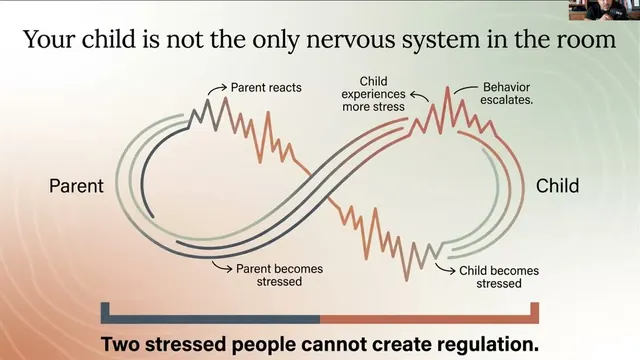
15:45So the first piece that needs to be recognized when working with attachment challenge children and their anger is Establishing safety is very important for a parent to maintain a positive affective tone That influences their child rather than letting their child's negative tone influence them Reacting to a child's negative emotional states creates a vicious cycle that is hard to change If you flip your lid as a parent and your child's it is already flipped We have two people who can't communicate. I'm going to teach you the hand model of the brain Because both brains are actually offline and not receptive to learning So it is crucial to respond to the strengths that underlie the child's symptoms problems Then reacting to the behaviors themselves
16:41We're going to get into this so more of establishing safety So a child in stress reads our body before they can attune to our words So 80 to 90 percent of communication is nonverbal So I encourage all parents to memorize the seven nonverbal cues your eye contact The way you look at your child if you're looking at your child in In a stressed out way You're sending a signal to be stressed yourself your facial expression Sets the thermostat in your home. Are you stressed? You have a very inquisitive Almost interrogating look yourself when your child becomes angry. Does it dysregulate you? So you want to be it have a facial expression of curiosity keeping your face open keeping your eyes in a gazing
17:37curious expression Your tone of voice and as you can see my tone of voice having a storytelling tone of voice actually Promotes a soothing tone, which is actually a note of a high C Which is actually helpful and encourages the listener to lean in and listen So tone of voice is very crucial in creating safety in your environment your posture How you're holding your body? I've had parents come in and be frustrated and they come in and their arms are crossed And what are they communicating to their children? I'm upset You're upset One of us needs to put down state, right? And it is it comes down to the parents. So your posture is communicating Either I'm with you or I'm closed off to you your hand gestures
18:32pointing can cause distress for a child shaking your hands in interrogating aggressive ways Where it shows your frustration is only going to fuel more frustration in your child And your timing how fast or slow you're responding to a situation Sometimes parents timing is too quick. They're too quick to judge a situation and not assess and be curious about a situation and then there's intensity in responding how intense is your response and What happens for parents and I understand children with attachment challenges are very hard to parent it can be exhausting for a parent So for you taking care of your reactivity is so crucial because again
19:28I'm going to go deeper into this your tone sets the tone With a thermostat in your home. So you want to OWL: Observe watch and listen To your child's seven nonverbal cues because that will help you indicate Well, they're about to get really upset. They need some guidance here. They need some co-regulation So caregivers are always tracking their nonverbal cues And paying attention to their child's so how to connect this is really important
20:00There's a term called intersubjectivity and this is joining in a child's experience experiencing it with them matching their affective state and exploring The experience with them to make sense of it and this is crucial for anger to connect with so one is Shared attention where the child and the parent focus on the same event and two is shared intentions Regarding the activity together. So this is what this looks like very important for parents to be attuned And have shared affect and that's the ability to listen to the meaning Of the nonverbal communication So watching your child and looking at the seven nonverbal cues Then being able to match the rhythm And intensity of the meaning that your child's pushing at you
20:57Which the emotional or affective state is experienced and expressed without acting it out The emotion itself. So as parents not acting it out with them It's responding And following the rhythm and intensity. So if a child says no one ever listens to me, right? They're very angry very aggressive The parent matches the rhythm and intensity and tone No one how hard that must be if it seems like no one listens to you. You see So the parent is matching quick story years ago. I got pulled over for a ticket. Yeah I was going over the speed limit It happens to all of us at times I was rushed. I think I was going to graduate school. I was stressed overwhelmed Uh got pulled over very upset. I was very highly disorganized The first thing I did I reached out to a friend. I reached out for connections and I was
21:57On the phone with her. You won't believe what happened I just got pulled over and I have a ticket now and I have to do this and I'm late for a meeting and I was so upset So disorganized and all my friend did Was matched the affect and rhythm and she said oh, I'm so sorry. She Matched the exact affective tone. I'm so sorry. That sucks. What are you going to do? I'm right here if you need anything and just in that moment that matching of the affective tone calmed my nervous system Somebody heard me In this internal experience that I was having that is an exact story that puts meaning to why this is so important It that's a therapeutic way of just calming to be heard seen and received is so crucial in attachment And in anger or any disorganized emotion. It helps the person's nervous system
22:58Just to get a sense of relief. I'm not alone in my experience Children can't be alone in their experiences. That's why timeouts don't work with this population They don't know how to self organize Yet without your guidance your timing To help them through The storm that's happening within them Number two shared attention. This is where the child and the parent focus on the same event So you're matching the rhythm and intensity and tone and then you're sharing the attention The attention must be shared on the same thing parents So an example parent wants both to attend to the same event say for instance, the child is looking at a rock Okay, and the child doesn't want to leave the park, right? They're having a good time It's time to leave the park or the parent says time to pick up your bike, right? That's the parents
23:58Agenda parent becomes frustrated, right? Pay attention to what I'm saying. However, by not sharing the same focus of where the child is Focusing on the rock and that's getting down on their level going, huh? What are you looking at here? I see you're looking at a rock Sharing attention if you don't have that there's no intersubjective Influence the parent is likely to have more success If he or she suspends all judgment about the motives Because here's what happens parents begin to assume negative motives She's not listening to me. She's and let's talk about some negative motives. She's ignoring me. She's disrespecting me she's Being lazy. These are negative Assumptions and when we assume negative assumptions
24:55We project them on children and children feel them And they actually begin to believe them. I am lazy when really They're looking at a rock and the only way we have influence is through Cooperation And that's shared attention on the same event and then transition the child. So Joining the experience to help organize it is What intersubjectivity is about if the emotion is intense? And the event is overwhelming the parent is encouraged to join the child's experience By seeing and receiving the cues given child comes home or the child the parent witnesses the child is really sad Right. You really seem so sad leaning into that. So it's a parent stepping back and OWLing Observing watching and listening going. What am I feeling? I'm feeling am I feeling sad or is my child feeling sad?
25:55Is this about me or my child? I am witnessing my child feeling very sad. I'm going to lean into that Well, I see you're really sad that I won't let you go to your friend's house today Leaning into the emotion that's driving The anger you look so sad. Tell me more about just acknowledging Is therapeutic you look confused you look really excited About getting this right naming the feeling to tame the feeling you really sound angry right now Wow, you're really angry Anger is valid How hard that seems for you. This is really hard and you're doing it. I'm so sorry You're feeling so sorry for yourself. You have a lot to feel sorry about We don't acknowledge all these parts And if you came to my last training my adoptive mother was not trained my adoptive parents were not trained
26:56Whenever I cried my mother would say stop feeling sorry for yourself. And you know what happened to me I had to turn off that sadness and I kept pushing it pushing it pushing it deep inside myself Because I was then I became dishinged of my Sadness and I had so much grief and loss that it actually Led to suicidal ideation And that's when I entered therapy at the age of 13 I needed my mother to lean in and go. I'm so sorry honey You feel so sorry for yourself. You have a lot to feel sorry for I needed that all many many times To help soften the anger
27:45I needed her to go into the pain. So we need to be open To a child's anger. It's a form of communication of an unmet Need that could be listening acknowledgement. So we want to accept a child's anger is valid though The parent might limit the manner in which it's expressed right whether it's cursing hitting walls throwing objects That's it's not okay. You're okay We're always validating the person. We're not ignoring the person and we will get to problem solving Of the matter in which they are expressing their anger We need to allow emotions when emotions are allowed a full range of expression They become better defined and integrated and enable the attachment Which will only fuel greater trust and security
28:40And when your child feels more secure, they'll feel a greater sense of Relief in their body and they won't have to defend and push And keep themselves safe all the time because there's a built trust If a child needs to inhibit anger Then the relationship becomes more narrow and less Safe. So one of my favorite phrases is what gets repressed Will be expressed. So if we keep turning it off and going stop getting angry Stop feeling sorry for yourself. We're going to repress it. Repress it. It's going to come out in other ways that are undesirable suicidal ideation Bigger yelling and screaming because now nobody's listening It's going to come out in explosive outbursts
29:36It's going to come out in ways Whether it's self harm or harming others Because it needs to get out of the body and externalize. So being open to a child's anger It is common to confuse the emotion of anger with angry behavior. There are two separate things If a parent views a child's anger as disrespectful The child often feels shame about that does not regulate it well and has trouble remaining reflective And does not know how to express it appropriately Or repair a relationship that their anger generated So if a parent says who's not acknowledging that anger is valid I hear you. You're really angry. The parent is not doing that and they're going whoa That's disrespectful. Guess what? We've now created that motive. We've now invited
30:34Disrespect because now we've just made that prominent. Oh, you want to see disrespectful? Here you go. So anger Does not represent failure of a parent's discipline or influence It is a natural expression of something that happened to that child if anger elicits anger Shame in the parent the parent will rescue the child from their anger or suppress it So as parents we and i'm a parent myself We do need to work very hard On our own impulses our own triggers our own activations And and soothe them and nurture them and lean into them What's happening for me right now and be curious? Wow, i'm really reacting very intensely when my child comes home What's happening for me? What am I scared of? What am I afraid of? What am I ashamed of?
31:33So continuing to be open to a negative experience We're often not taught how to do this. There's a lot of negative There's a lot of big feelings when we you're parenting a child with a trauma history. So classic Uh dialogue between a parent and a child child says i think that you're mean, right? Listen, I think you're mean parent Oh, that's you think that's why i said no you think i'm a mean mom Matching what they said the tone the rhythm the affect. Yeah, you are leaning into have empathy I'm sorry you think that that would make it hard to feel close to me right now really hard Right because moms need to set limits. I don't want to be close to you parent embraces and accepts this. That's what I thought I understand you want to handle it yourself Children are always
32:29creating boundaries Sometimes they want to do things themselves Okay, thank you for telling me I do child says why can't I? I can see that you really want to I see that I see you I'm with you. I'm not getting angry with you. I'm understanding why you're intense Why you're driven? Why you need need to understand and I'm with you right coping with frustration and matching affective States continuing. How do we do this intersubjectivity? The child yells stupid car Well becomes angry with fixing his broken car. Now parent can respond one of two ways Don't talk like that. Don't be angry, right? That's traditional parenting or the parent can respond with a voice Tone similar to the child's rhythm and intensity
33:26That's so hard when you can't make it work It's hard. They're looking at what's driving the behavior. This is Frustrating for the child to fix their car parent validates that I'm saying what I'm seeing and hearing And matching the affect in tone pat parent is matching affective state focusing on the car focusing on the shared attention Just as they are and showing their intention To understand and support them in their experience Child yells again. I never can Right that feeling helpless hopeless powerless parent responds thinks about this Oh my you think that you never can No wonder you're upset about it. If you've never feel like you can make it work Of course, you feel this way. This is frustrating. This would make me angry too
34:24See how you're matching and helping them organize These big feelings that kids don't know any other way to express so Communication within lectures are not effective communication Because they are actually educating The child to comply with authority Rather than help develop their own meaning About an issue or an event. It doesn't work with this population. It's like giving an attorney too much information They're going to listen to every piece and find the loophole To control you. So story telling When you're when you're setting a limit and you're explaining something and you can hear it in my voice the whole tone Changes and it actually invites the listener. It conveys an attitude of acceptance 100 percent acceptance unconditional regard
35:21Rather than I'm going to evaluate and criticize you And it encourages that non defensive response So the storyteller is conveying their experience and interested in understanding The experience of the listener It's your child who then becomes engaged More engaged in the relationship and it's a give and take dialogue that evolves understanding and having empathy This reciprocity does not weaken parental authority It enhances it with attachment challenged children And you're not going to enable your child to be overly Codependent on you when you're leaning in because we are parenting children who have regressive behaviors. They're younger than their chronological age So we need to meet them at their developmental age
36:16So it's really important also to not ask a child Why they're they're refusing why are you refusing to pick up your bike the minute we get frustrated with their lack of Answer it's going to cause more frustration for the parent Which is only going to inform the tone for your child and your child's going to come back to you and guess what Match your affect because they're gonna you're frustrated. Um, why are you frustrated with me when I'm trying to figure this out? and kids with neuro divergent challenges They have difficulty focusing. They need a lot of time and patience the parent I often tell parents take why out of your vocabulary Because kids don't even know why and when we ask why are you doing what you're doing? The child then begins to self analyze
37:14Self judge and become more critical Which fuels more shame and more feelings of feeling helpless hopeless and powerless Why can't I mean constantly? Why am I crying? I can't stop I couldn't stop you can't just turn off emotion if I told you right now Don't think about a white bear go stop thinking about a white bear What are you doing? You're thinking about that white bear. You can't Turn off the brain. You have to join with it and move through Experiences so assuming motives behind behavior like often We hear parents saying he's just trying to manipulate me. That may be the only way they know how It's what they've learned from their previous caregivers
38:10They don't know any other way to connect to get their needs met. They need teaching. They need leaning in I'm gonna help them learn. He just wants attention. That's right. These kids act out not because they want it. They need it We need this attention. He's just trying to get away with something That's probably an attempt to regain control often a lot of kids steal things Who have had things taken from them? It's it's actually they're attempting to have a corrective Emotional experience. I'm trying to correct and take something back that was taken from me Of course, he's trying to take something He's trying to reclaim things that he's lost So we want to lean in To the loss He's lazy. Well, if we keep saying a child's lazy guess what you're gonna create a chance
39:06It's lazy. You want to see lazy a lot of kids have learning challenges Focusing challenges They don't know how to motivate challenges. He just wants to make me mad He just wants to make me mad if this is the case the best way to reduce acting out is for the parent to manage Your anger when parents perceive a motive in their child. They are making that motive more prominent Even creating it when it was not present before they perceived it This is all based on research and how the brain works So when a child engages in behaviors that his parent disapproves of and the parent negatively evaluates his motives thoughts feelings Along with the behavior He is likely to develop a negative view of himself. Why can't you just stop?
40:03You know how to stop what we resist persists and this is Jon Kabat-Zinn who brought mindfulness To our country. We need to put on that anger lens if we resist emotions They will become dormant And when they're dormant they will incubate and they will come out and those explosive outbursts Until we give that feeling We name it to tame it. We acknowledge we meet the needs
40:32So what not to say to a child or teen when angry calm down? Right. We were often parented this way That doesn't work ever. It doesn't work. You can't just calm down. The brain is already Disorganized. There's high cortisol Letting the nervous system you're overreacting. Wow, that's Like saying just stop. You should be able to stop this. What what are we not saying? What's wrong with you? I hear parents still saying this today It it pains me when I hear what's wrong with you. It's like you're implying There's something wrong with you if if we don't think that doesn't feel ashamed Intention and for these kids their self-esteem is already compromised So that's just putting fuel to the fire If you don't stop Thinking of that white bear thinking of that angry thought thinking of what's driving your anger
41:30Then I'm taking away all your privileges. You know what kids say Take it. I've already lost everything. It doesn't matter because nobody's paying attention to what I've lost My pain my grief what I'm angry at. Don't cry. It's not a big deal again Don't think about that white bear. What are we doing? We're making it bigger I know exactly how you feel. We don't know go to your room until you can calm down We are here at LEAF Wraparound that is not What is attachment based parenting trauma responsive and grief and loss informed children just can't Calm down. We don't want to isolate any child So attachment and timeouts isolation as a response to anger May often be frightening to a child and may only intensify their anger and I've seen it
42:26It's going their rooms and guess what they do they trash Their rooms they do because now You've just incubated what gets repressed will be expressed now. I have no other choice But to externalize my anger and take it out of my room because no one's showing me any other way It is best so it is best to remain close to the child So they can rely on their parents ability to regulate their own emotions So they can better regulate on their own timeout is for the parent Who is dysregulated and is not in a place to be a source of safety parents must be clear When they are taking a timeout that i'm not rejecting you because this population has a high sensitivity To any sense of rejection. Hey Jim, Worked up about what happened before right? We had a lot of big feelings
43:24I need to go to the family room for a bit to relax We can talk about this later when we're both more calm Right when we can talk about and listen, there's no perfect parents We all flip our lids sometimes. We all lose our patience. We all become dysregulated Because life happens to it. So what to say when a child or teen is angry? Wow Acknowledge it. Wow Something feels really big for you. Help me understand that's meaning it What happened to make this feel so hard so angry so frustrating. I'm here with you We can get through this again. Let's focus on helping you feel safe. We'll talk about solutions later You're having a hard time right now, and I'm still on your team I'm on your team. We're gonna figure this out. I care about you even when things are hard between us
44:21We're figuring this out. It's messy. Let's take some space together. I'll stay nearby until you're ready I'm right here a lot of kids need what's called line of sight supervision and line of sight of their caregiver They need to know that somebody's outside looking out for me because Sometimes I can't even trust me in what I'm going to do when I have my big big feelings So really important in being attachment responsive is Connection first before solutions and correction That's the ability to guide your child in a positive manner without sacrificing their autonomy and individuality A parent needs to know the meaning of the behavior before knowing how best to respond to it There is no parental text that can do this. It comes down to you Role playing thinking of your child
45:18Imagining scenarios and going okay. I see a pattern here. He comes home from school He gets frustrated. He throws his cell phone at the wall when he comes home today I'm going to stay calm and regulated. I'm going to lean in and go I see you're really frustrated today and follow through responding to the meaning behind the anger Frustration, sadness, anxiety Such meaning involves a thoughts, feelings, wishes, intentions, perceptions, values and memories associated with that behavior Kids at school go through so much all day long So this connection before correction requires that reciprocal relationship the dance of attachment I'm going to dance and with the rhythm of my child Child's response to the parent continuously guides the parent to choose to modify fine tune or even completely change a prior decision
46:14Right. Wow. We're having a lot of big feelings right now Maybe we may want to take a breather and put something on hold right now Right. Maybe there was something expected to do We're going to put it on hold because this needs attention. So part of
46:30Anger is as parents we may have our own Unresolved anger related to our own attachment history Unresolved events from an adult's attachment history are those which when they approach awareness now tend to dysregulate their affect and reflective functioning So that they are not able to make sense of and manage the effects A parent may benefit from a listening partner and that's someone that you designate you call on a weekly basis Or on a monthly basis who you get to complain rant Express all that's going on inside of you So you have someone who's holding your feelings and joining With you and matching your rhythm and affect so you can feel a sense of Relief like parenting support groups are great for this a friend therapist
47:27Going to therapy will make you a stronger parent. You'll feel more effective as a parent Because the more you can have empathy for your own pain The more you'll have empathy for your child This will support in your empathic attunement with your child A parent benefits less from problem solving until they are able to regulate their inner life They're not going to be able to do this work If you if you're still feeling activated when your child has their anger That's less about your child. That's more about you. So listen to what's happening inside of you What is happening inside of you? Are you having a tight chest? Does your voice get raised? Are you having racing thoughts? Is there an urge to punish because you were punished? We will parent the way we were parented unless deemed otherwise
48:23This population cannot be parented traditional parenting. It makes things More heightened more angry More fear and less attachment. So children are borrowing our nervous system our nervous system So let's watch this video. This is from This is from Circle of Security and this is the parenting voice in our head Especially when a child is not listening to us and what that reflects for the parent parents Throughout history. We've struggled to get it right We hope we won't pass on our emotional issues to our kids and we swear we won't make the same mistakes our parents did We all have great intentions, but something seems to get in the way Let's look at what that might be
49:18At Circle of Security Parenting We believe that being emotionally available to our children in their needs is the key to doing our best as parents We call emotional availability being with It means teaching emotional intelligence by being with our children in all their feelings like sadness joy anger curiosity pain Frustration excitement and so on Being with children helps them understand trust and move on from feelings And knowing someone is with them in their feelings helps children feel less overwhelmed and more secure Decades of research backs this up For parents some of this comes easily But other times our children express emotions that make us uncomfortable So we pull away or try to overrule their feelings which leaves them on their own
50:18We do this because our children's feelings can trigger strong emotions in us We think of it like this Our history during childhood of how core people respond to our different emotions Creates the background music for how we experience our children's feelings Let's look at this example This girl and her father have been enjoying time together in the park But suddenly aware of the time dad says we need to go When the girl hears this she starts crying and gets increasingly angry All at once the dad's background music changes The background music that is playing for the father right now we call shark music As it turns out the dad's own mother was uncomfortable with loud displays of emotion And she didn't know how to handle them so throughout his childhood
51:15She repeatedly told her son it was pathetic to cry And she never ever asked him about his feelings of sadness or anger His ability to deal with his daughter's emotion now is greatly affected by the experience with his mother then Shark music we're rarely aware it's playing But it's our past experiences telling us to be afraid of or uncomfortable with a feeling or need that is actually safe When our shark music limits our ability to respond to these feelings Our children learn to hide or feel ashamed of them This is a problem because we're teaching our children to fear emotions that are actually both safe and essential in life Most of us experience shark music with one emotion or another and it's different for everyone But whenever it is triggered our ability to respond to our children's needs is limited The good news is by simply calling it by name and reflecting on what our children need in the moment
52:15We can turn down our shark music This is so important because if we can learn to manage our history of negative experiences and perceptions We can respond to the truth of our child's current situation and be with them in it Ultimately this will help our children grow up with a better ability to understand and share more of the emotions they experience There's no escaping it strong feelings are a challenge to manage as parents But our children always benefit when we have an accurate response to what's happening Rather than reacting to the shark music. We're bringing into the relationship. Remember There's no such thing as perfect parenting and blame never helped anyone feel more secure. That includes blaming ourselves But the more often we can identify our shark music the better off our children will be
53:15great video really I love So Think about your shark music. What happens for you when you witness your child's anger What strong feelings become ignited in you that could be related to your Family of origin and not getting your own needs met and have compassion for that. So with this comes self-respondability That's Responsibility is the ability to pause and take responsibility of your own reactivity first Even if you're witnessing your child's reactivity most parenting mistakes happen in reaction Not intention when we're triggered our survival brain takes over So it's the ability to recognize if you're stressed out you will be a source of distress to others It's the ability to recognize if you are self-regulated You will be a source of comfort to others
54:10And it's the ability to put in real time a self calming tool The ability to know thy stress is the best response for taking care of others
54:21So I like to think like a first responder. It's a metaphor for parents Because it will help you go, huh? It will actually help you gain better objectivity Of the strong loud feelings of anger because when you think about it when first responders arrive at a crisis Right and anger can feel that way. It feels like a crisis. It's intense. They don't immediately panic yell or react emotional they assess the situation observe watch and listen They take it all in they regulate themselves They gather information Informing themselves of what's the meaning of this behavior before responding So quick technique to think about slow down resist the urge to immediately react Don't lecture threaten punish or escalate. That's only going to create more motives negative emotions in your child
55:18assess What am I seeing what's happened? Before this behavior, there's always cause and effect. What is beneath this behavior? Check yourself. What is my body doing? Am I calm enough to help and be a responder right now? Or am I going to be a reactor? Am I reacting from my own stress? Is this my stress or my child's stress and then stabilize regulate yourself first Do slow your breathing Ground yourself planting your feet on the floor and then respond connecting correcting later and focusing on safety before teaching so practical ways to help you pause in the moment In this explosive intensive When you're witnessing these feelings: 4-7-8 breathing Taking in a breath for a count of four holding it for a count of seven and releasing it for a count of eight
56:16Doing a body scan From your head to your toes I do this throughout the day because I work with highly intense Families and I will do body scans to help. I am holding on to stress I need to breathe through that stress Drink a glass of cold water that actually helps the brain regulate Counting backward from 20 before Responding putting some cold water on your face holding a grounding object Stress ball raw stretching regulates the nervous system and bilateral stimulation bilateral stimulation Is doing things bilaterally that could be taking a walk playing an instrument Or something called tapping in tapping in is actually a form of EMDR integrates the right and the left hemispheres of the brain and integrates for calm The ability to respond and keep your lid on, so to speak
57:15so tapping in is you Put your hands on either knees Your left hand on your left knee your right hand on your right knee Or you can cross your arms in front of you and put your hands on your shoulders and Tapping in is a steady rhythm back and forth Bilateral stimulation as you're saying a mantra and this will calm The brain to calm the body They'll think of it like a down mode. So even though I'm I am overwhelmed I can handle this moment And it might be that you're doing this on your tina. My child is having a hard time not giving me a hard time Let's say that one again. My child is having a hard time not giving me a hard time I choose curiosity over reactivity. I can be the calm in this storm connection before correction
58:11I am safe. My child is safe. This feeling will pass I can slow down and respond So tapping in is a tool for parents because pausing We don't want to become the second emergency be the thermostat not the thermometer
58:29A pause is not weakness a pause is leadership. So another tool That's very important when managing anger is PACE. PACE yourself And PACE the anger that you're experiencing and witnessing with your child and I encourage parents to memorize this too and use it For any behaviors that you witness playfulness, but you need to use your best judgment Humor is very important and can create a quality of lightness and openness Laughter builds memories of unconditional acceptance of each other It's important for parents to laugh at themselves and admit mistakes openly. We're human We make mistakes humor can shift a stuck child. That's P And you don't have to do it in this order. You can say, you know what in this moment Playfulness isn't going to work with my child. I'm going to just do acceptance
59:26Acceptance has nothing to do with permissiveness We're accepting the child. We may not accept the behavior behaviors remain to be evaluated Parents will continue to set limits And redirect behavior by focusing their teaching on the behavior and not on the child. I love you I don't love it when you kick the dog That's not okay. You're okay. So separating the child from their behavior and accepting Understanding a child's behavior represents the child's best effort at the time. They are doing The best that they could the parent may disagree with the choice while at the same time accepting The intention behind the choice. I was really mad. That's why I threw my cell phone I understand that right and we need to figure out another way
1:00:25To express that anger curiosity Pay attention to the child's behavior To express that anger curiosity Parents sees behavior having a non-judgmental Not assuming a negative motive not-knowing stance that requires the parent to inquire About the child's inner world That led to the behaviors. Remember a child needs to feel safe That their inner world is not going to be criticized If so the child's going to hide their motives and it's not going to be in your best interest And they're not going to be able to modify their behavior So 75 of the time ask questions like a first responder. Tell me what happened here. Wow I noticed there's toilet paper all over the kitchen Right What do you think about that? What happened right and curiosity tone of voice
1:01:20We're inviting the resistance into that intersubjective experience if you do that What do you expect to happen next? Tell me more about this help me understand. What did you want to happen? What did you need to have be curious get all the clues? Like a detective and empathy empathy must be conveyed both nonverbal and verbal expression Gentle touch tone eye contact facial expression a parent conveys She is with their child and that he is capable of managing the situation even though it's Hard this is hard It is and we're doing it where we haven't learned it yet We're in a growth mindset. We're figuring this out parent does not rescue the child from the event or solve the problem for them The parent shares and joins in the distress For the problem. This is really hard
1:02:16You're doing it. This is challenging and I see you I see you're struggling. This is really hard You're showing a lot of strength. It makes sense You feel worry. This is worrisome, right? So leaning in so PACE Deciding I'm going to do a and c right now and approaching your child with that approach
1:02:38So regulating shame shame is a big piece of what also drives anger During states of shame Children hide from their parents in order Not to be seen as bad kids and shame Actually believe they're all bad. It's like a bubble and you'll hear it in kids The way they talk about themselves. I'm so stupid I'm just a dumb person at shame and if you hear a lot, uh, that's pervasive shame So we need to express empathy for that part of them. Remember you're adopting all their parts It must be hard if you think you're so bad You seem really hard on yourself having empathy. That must be really difficult to carry that around all the time That's such a weight on your back lead with empathy towards questions of curiosity What do you do when you feel so badly about yourself? How do you handle those difficult feelings?
1:03:35What can I do when you have those stupid feelings? And that's a part of it. So regulating shame It is not helpful to argue with the child when they say I'm stupid bad selfish and say they are not right Remember what we resist makes it persist Or insist that a child's explaining or apologize immediately after they have done something wrong This will lead to more shame Because kids can't differentiate when I do something wrong. I'm all wrong. It's a shame is Guilt is I feel sorry for my mistake Shame is I feel sorry for who I am breaks. So breaks in relationship when there's been a rupture Often a child will experience defense defensiveness isolation or anger When there's been a rupture with parents repair comes from the parent
1:04:31It reassures the child that breaks are natural occurrences and that parents Ultimately want their child to feel safe in their relationships Breaks need not to be feared nor avoided. They are naturally occur or they will become larger So a break would be that autonomy. You know what? I need some alone time. You need some alone time Let's have that time and then come back together again and talk through this But the parent in in this parenting attachment style very important That the parent takes accepts responsibility for initiating the repair not telling the child You need to come and apologize to me first before I Love you again if the parent insists that They are communicating that the child is responsible for the continuity of the relationship. Think about that
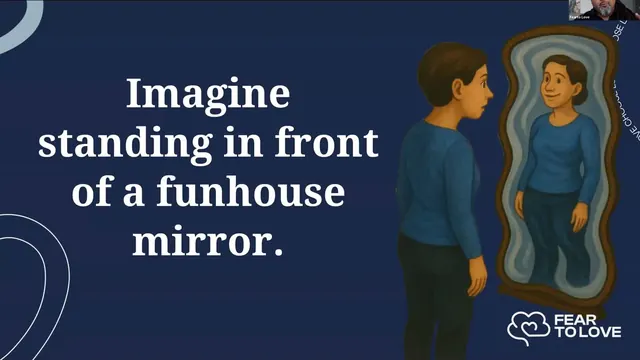
1:05:29You're letting the child lead the child will then think the relationship is not important And be unlikely to have the confidence to take the first step And I'll tell you you will wait forever Because you're asking a child to come to you who has shame and go I'm sorry. I'm just so bad They can't differentiate the two when they apologize. They're apologizing for who they are and it's how bad they are Remember, it's a bubble of shame. There's a mirror in the bubble and all they see is their bad self And when someone points out something bad, they feel all bad. They don't know how to differentiate So it will lead to a downward spiral anger plenty A lot of it and if the child does repair they may experience resentment And it may fuel more anger in the relationship that they had to be good or sorry before their parent will welcome them back
1:06:26So we have 10 minutes left. All right These are interventions that you can purchase at home Utilize at home talk with your child's therapist about One of them is a body sensory sock. This helps children self-regulate externalize these big emotions Feel a sense of containment in a womb like embrace And it's a it's a sensory input technique. It helps children feel a sense of relief in their bodies They go into this spandex material I ask They recommend that at least the the height of the body sock is Three to five inches smaller than the child. So they have that Proprioceptive input they're pushing on the fabric We want that extension in their bodies because that helps regulate the nervous system
1:07:22And they go in their body sock when they're really mad when they're having their hitting feelings They're kicking feelings. They're screaming feelings. You can go in your body sock and let it out So body sock kids have a lot of fun with it for being playful You can do this every night before a child's go goes to bed Let's let out the feelings because we know they're in there. It's a part of you Right. We're adopting all these parts and acknowledging they exist Something that my mother did instinctively at night She would have me punch a pillow. She could see I was holding so much And each night I would just punch a pillow till I got exhausted Well, over time I would punch the pillow and end up crying She did exactly what we're attempting to do with the anger wheel She helped soften my anger and helped me get into the she got that Right
1:08:17And it worked for me. It helped me connect more with my grief So I didn't have to be angry all the time about it. So the hand model of the brain Wonderful technique. I love to teach all families It's to help youth understand and recognize their natural coping responses to stress and trauma that fight flight freeze Fawn as people pleasing or flop doing nothing And to develop strategies to manage these responses in healthy ways So you'll need googly eyes finger paints finger puppet markers and the I statements which are on the next page so Teaching kids and I have a video it's on my YouTube channel the hand model of the brain for kids Which you can watch So your hand goes up like this your fold your thumb in your fingers go over your thumb And this is about the size of the your brain underneath your skull and we're going to look inside our brains
1:09:14And inside all of our brains is an animal part and when our when our animal part gets scared or stressed out in From our environment It's going to go on high alert and it's going to act out like an animal To protect itself. So Explaining this to kids does your animal. What is your animal part a lion? Okay, when your lion gets upset What does he do? He attacks people. Yeah Then related to human Behaviors, do we ever attack people when we're scared or stressed out? Yes, do you ever tell me a story about that so that kids can identify this happens for everyone? Not just you and we can fight something away. We can yell something away We can push something away if it's stressing us out or we don't feel safe and fight flight or freeze Or we freeze and we don't know what to do So that's What's happening in our brains then there's a higher part of our brain
1:10:11Think of it like a blanket that takes care of the lion part Tells the lion part what it needs gives the lion part what it needs Talks to the lion part and as we're not animals. We're humans So we can name it to tame it and this is where I teach that this lid When we're about to flip our lids There's a gap here. There's something we can do And we can say an I statement I'm about to flip my lid mom and act out for my animal part And i'm feeling really mad right now and I need And teaching kids the five A's. I need just listening right now That doesn't mean you're giving into what they want You're giving into what they need to be heard seen and received. I need you to just listen Okay, I'm gonna listen. I'm gonna help contain
1:11:06This emotion I need acknowledgement. You get me. I hear you I hear you. I hear you. I hear you and it needs to be authentic and So teaching kids What this teaches kids is impulse control and I encourage parents to teach their kids The hand model of the brain talk And model for your kids the hand model of the brain, you know what mom's about to flip her lid right now And I need a break Because I don't want to yell because that's going to hurt us And that's not going to help us feel safe and connected. That's going to distance us. So I'm going to go take care Uh and be self responsibility right now And take care of me so that I'm not flipping my lid because if I'm flipping my lid You bet your kid's going to flip their lid all over the house
1:11:58So anger bag intervention, this is one of the first interventions I created I had a child who was banging his head on the wall. He was nine years old So an anger bag it's to help youth utilize various coping skills to lessen feelings of anger and aggression And learn how to problem solve so you get A red bag, which is a universal color for anger Get some play dough paper to rip bubbles crayons paper to draw bubble wrap index cards to write anger busters Uh a scream tube. I'll use those poster tubes. Let the child write all over the tube what they want to yell about and a scream pillow Just giving them a pillow they can draw on with markers that Is identified as the place where they can put those screams Scream feelings in and giving them The managing your anger anger wheel, which you can find on Google for free
1:12:56So getting these items telling your child We're all going to make anger bags in our family because we all have anger sometimes It's a part of all of us and we're all learning how to name it to tame it with the anger bag We often don't know what to do when we're angry So you're actually using this anger bag when you're not angry So you're finding times throughout the week time to do some anger bag like homework Right time for us to let out some of our anger We can rip some paper The child gets to choose an item from the bag Put the anger in the play dough draw a picture about your anger Pop it out Scream it out and allowing emotion allowing emoting is so important for these kids two more interventions The boundary exercise Often we are not aware that big feelings take up a lot of space
1:13:55So this is about helping parents and kids understand there's boundaries to emotions And sometimes if we get too close when we're having big feelings It actually causes more big feelings. So This is something you can do with your child You stand in one side of the room your child stands on the other side of the room You can do this in a therapy session with a therapist. The child says out loud This is my boundary. This is my space when i'm feeling Let's start with anger when i'm angry Then the parent as soon as the child says that the parent starts walking towards the child one foot at a time The child will say stop When they feel that their caregiver has come close enough that this is where I need you Dad or grandma or aunt or uncle when i'm angry and a parent makes a mental note and goes wow
1:14:50I'm actually coming too close to you when you're angry Now I understand better How to support you when you're angry. I will stay keep my distance But you can still see me and then you can go through different emotions and start again This is my boundary. This is my space when I'm feeling sad. How near or far do you need me then and you'll be surprised Even then a child may not want you as close as you think They want you they're now able to tell you through the boundary exercise. This is how close I need you I'm not ready to bring you super close yet. We're still building trust So it acknowledges that feelings take up a lot of space and there's boundaries. Bottled Up: some fun summer intervention any families can do It's to help children understand That stress builds up in the body and become and can become explosive what gets repressed will be expressed
1:15:48Well, let's express it through a two liter bottle of carbonated soda and it must have aspartame So it's a way for a child to externalize so rip off the label of the soda Give them a Sharpie marker, write on the bottle all the things that they're holding and bottling inside Maybe it was throughout the school year or something that happened over the weekend write it all over the bottle Shake it up a little bit. You'll need to get Mentos Go outside in a place where you can allow this Eruption to occur shake it a little bit to get the Carbonation going and then open it with at least five Mentos and watch this release And it becomes a cathartic experience for kids and they can do it over and over and over And you can sense as a parent. Are you feeling bottled up? Let's release some of that anger. Let's time to get another
1:16:46Uh soda so we can release this so mantras for parenting You can tap these in as well I accept. I sometimes fumble and stumble as a parent. I encourage you to read these out loud to yourself I accept both me and my child are doing the best that we can I accept I am a human being before I am a parent I accept. I don't always know the right way I accept my child may become emotional I accept we both at a deep level want our family to improve I accept we are both trying to establish safety By controlling each other. I accept I can't fix the pain in my child's story I accept I cannot do the work for my child nor can I save them I accept I can validate comfort and teach my child how to cope I accept I can lose my center worse than my child does sometimes
1:17:44I accept I don't always know how to respond to my child I accept I am sometimes ashamed to admit my own failings I accept my imperfections and my imperfect life I accept my child is their own unique person Separate from them. So remember Anger needs patience anger needs understanding Anger is contagious Your calm is contagious your presence is contagious Every time you pause regulate repair and reconnect You are teaching your child's nervous system. You are safe And we can get through hard things together and that may be one of the most powerful trauma interventions a parent can offer Children borrow our calm Before they develop
1:18:40So here are some of my books The interventions that I showed to you are in my new book The Traumatized & At-Risk Youth Toolbox I recommend you're interested so many more interventions DIY you can do with your child Here are books helping children and make sense of what it was like to be in foster care And what it means to be adopted and here is my YouTube channel Jeanette-ically Speaking and I would like to see if there are any questions in the chat. Let's see any questions. No, okay Well, if there are any questions, please let me know I hope you gained a lot from this training today Put pieces into practice that you've learned put pieces It takes 30 days to change a paradigm give yourself time allow yourself to make
1:19:35Allow yourself to make mistakes Part of being a parent and that's how we learn and try again. It's a new day. It's a new day And you can do this and it's in your best interest. I hope you feel that for me It's in your best interest to at least put Some of these tools into practice And you can do this and I have so much faith and I appreciate you all for being here. Thank you very much for that information It really touches my heart. You're helping us help our child. Thank you so much for being here for us You are so welcome. I'm so happy to be here truly. I know it's hard And have empathy and compassion for yourself and your children at the same time Yes, thank you Yes, you're welcome happy Thursday. Yes, there will be a recording and that will be shared with everyone
1:20:30Following this training. I have a question. I don't know if you could answer it or help me understand my question [A parent describes their son's adoption history.] and his mom wants to be part of his life But originally in counseling our therapist said that we should wait till he's attached I was just wondering what your thoughts about bringing his mom back into his life and how Hold another training On my YouTube channel. I have courses one of them is open adoption. Okay That would be one that I would highly recommend but however before that It's how to tell your child their foster care and adoption story He needs to make sense of his story first And then you need to evaluate what is he thinking about his birth family?
1:21:26Because he may not be actively talking about His birth family, but he could be actively thinking about them And one of the other interventions I do with kids is the question box So that we can understand what they're thinking about what they want what they need and with any Introducing a child to a birth family member. Yes attachment to you needs to be secure They need to feel safe within their own bodies and at the same time we need to Follow the child's lead Just because we think they're ready For reunion doesn't mean they're ready and they need a lot of preparation So the training free on my YouTube channel. It's a course how to tell your child their foster care and adoption story You need to do that first then you can evaluate and if that's Is he ready for this next step and you definitely need a therapist to work with for the preparation for that
1:22:26All right, I'll check out your YouTube channel. Thank you so much. I appreciate it. You're welcome. You're welcome Yeah, I've been facilitating open adoptions for years And there's a literally I draw steps on a piece of paper. There's steps many steps before we get there. Yes [The parent describes ongoing contact from the child's birth mother.] But yeah, it's it's hard for me to feel like she's ready And then I have to like I want to do it for her but not for him yet Yeah, tell her and I'm an adoptee and I'm an adoption competent therapist. Tell her I'm I've consulted with an adoption adoptee an adoption competent therapist There's steps we need to take to prepare him and we're working on that let her know you're working on that step So she doesn't feel Dismissed denied because she's also having her own emotions and wants to write and that's about her
1:23:21and her grief and loss But we let her know that we need to follow the child's lead and you're going to begin the process of preparation for Future engagement. We're not I wouldn't make any promises, right for what? The future brings but we need to help him process his story first and understand what he's ready for Yeah, and validate. She's excited. She's I hear you. I see that. Oh, yes We want this too and we're working We all need so much validation. Okay. She just needs to be heard Seen received acknowledged You have her own five A's, unmet needs and and the circumstances Are relinquishing her child Birth birth mothers. There's a wonderful conference coming up. It's actually in Seattle It's called Concerned United Birthparents
1:24:17And it's actually a birth parent organization and I would definitely recommend You connect her with it's called Concerned United Birthparents dot org So that she can talk with other mothers like herself And compare herself because she will have she will need preparation too For okay future me and that's in October. I will actually be there. Thank you for the question And I wish you less than you can do this Yeah, thank you Yeah, thank you. I appreciate it. All right And I think that's our training for today and I thank you all for being here showing up for you And your family take care and have a great summer. Bye