
How to Build a Strong Bond With Your Adopted Child
Expert strategies for building a strong bond with your adopted child, from attachment theory to managing trauma and creating secure routines.
Understanding the Foundations of Attachment and Bonding
Attachment and bonding with an adopted child involve unique dynamics, especially after adoption. Focusing on developing trust and understanding attachment theory helps foster a secure and loving relationship.
Key Principles of Attachment Theory
Attachment theory is a key framework for understanding how bonds form between parents and children. It focuses on the need for a child to feel safe and secure. A consistent and responsive caregiver plays a vital role in this process.
For adopted children, early secure attachments support essential emotional and social skills. This foundation can impact a child's ability to relate to others throughout their lives. By being attentive and loving, you help the child feel valued and understood.
The Unique Dynamics of Adoptive Family Bonding
Adoptive families face specific challenges and opportunities when forming strong connections. Unlike birth families, adoptive families must navigate a mix of backgrounds, histories, and experiences. Open communication about adoption history can help build trust and respect within the family. This dynamic requires patience and understanding.
Creating regular family routines, such as meal times and bedtime rituals, provides stability and helps the child integrate into the adoptive family. Celebrating unique family traditions can strengthen the shared sense of belonging.
Building Trust After Adoption
Trust is crucial for any relationship and is especially important for adoptees who may feel uncertain about their new environment. Establishing trust starts with being consistent and reliable in your actions and words.
Inviting open dialogue can help the child express their thoughts and feelings. Listening, without judgment, to their stories or concerns enhances emotional security. Encouraging the child to share their likes and dislikes fosters a deeper connection. Letting them make some choices helps them feel empowered and secure.
Navigating Challenges in Forming a Strong Bond
To build a strong bond with your adopted child, it's important to tackle several common challenges.
Recognizing trauma, managing feelings of grief, and identifying potential signs of reactive attachment disorder can greatly aid in forming and strengthening this connection.
Recognizing and Addressing Trauma
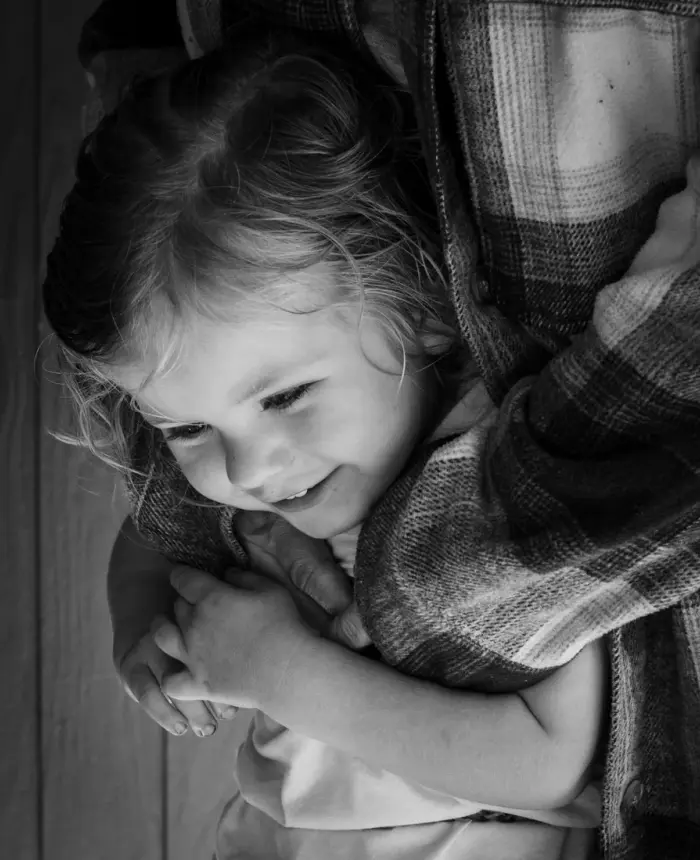
Adopted children may have experienced trauma before joining your family. It's important to be aware of signs like withdrawing, fearfulness, or difficulty sleeping. Offer consistent support, ensuring a safe and stable environment. Establish routines to help create a sense of security.
When dealing with trauma, consider professional help. Therapists specializing in childhood trauma can provide useful techniques. Encourage your child to express feelings through art or play, which can be less intimidating than direct conversation.
Managing Grief and Loss in Adopted Children
Adoption often involves loss. Your child may grieve the loss of their birth family or previous caregivers. Be patient and open to conversations about their past. Acknowledge that these feelings are normal and offer comfort without pushing for immediate resolution.
Having family rituals can help an adoptee process grief. This could include creating memory books or celebrating important dates. Encourage your child to share stories or memories they have. Providing consistent love and support over time can ease their emotional pain.
Identifying Reactive Attachment Disorder
Reactive attachment disorder (RAD) occurs when a child doesn’t form healthy bonds. Look for signs like unexplained anger, sadness, or avoidance of eye contact. These children may struggle to connect with others.
Encountering RAD requires a special approach. Building trust is key, and maintaining predictable routines can help. It's often necessary to seek support from mental health professionals skilled in treating attachment disorders. Through understanding and patience, progress is possible.
Practical Strategies for Strengthening Connections
Building a strong bond with your adopted child involves establishing reliable routines and maintaining open communication.
Consistency and effective communication provide your child with the security and trust they need.
Establishing Consistent Routines
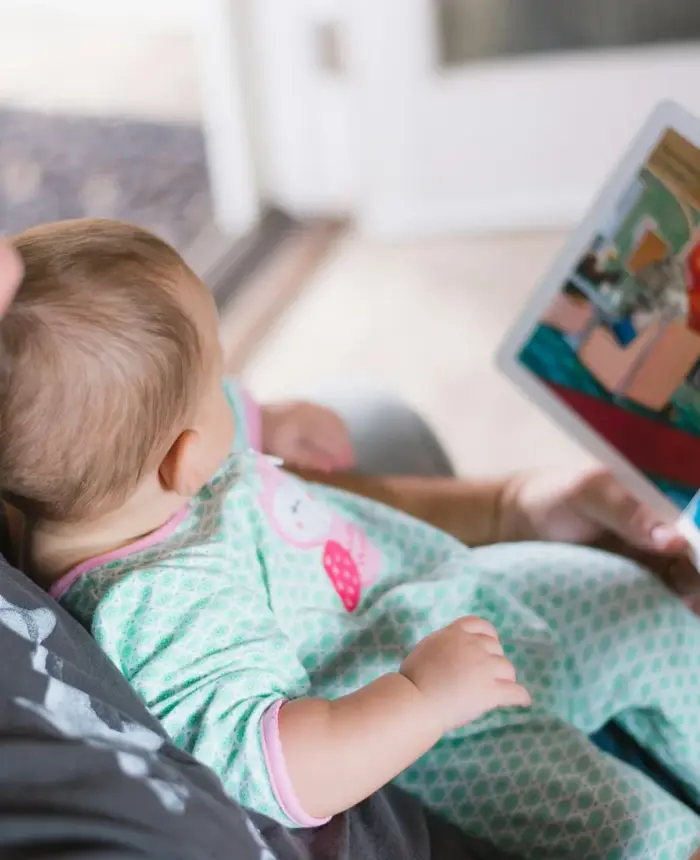
Creating a stable environment is key for bonding in adoptive families. Regular routines give children a sense of predictability, helping them feel more secure. Start with simple routines for meals and bedtime. Sticking to these helps set clear expectations and fosters trust.
Daily activities like shared meals or family reading time can also create important bonding moments. Make sure to be flexible when needed, as adaptability shows responsiveness to your child's individual needs, which is crucial in adoption situations.
Effective Communication Styles in Adoptive Families
Open communication is vital in adoptive families to strengthen connections. Use a style that invites conversation and encourages your child to express themselves freely. Ask open-ended questions to learn more about your child's feelings and thoughts.
Listen actively to show that you value their perspective. This helps build trust and ensures your child feels heard and understood. Avoid loaded questions that might pressure them, focusing instead on creating an atmosphere of support and understanding.
The Role of Community, Education, and Support
Building a strong bond with your adopted child involves engaging with community resources, seeking educational support, and advocating for your child’s needs. Each angle plays a crucial role in ensuring a positive adoption experience and creating a nurturing environment.
Involving Educational Professionals
Work closely with teachers, counselors, and school staff to support your adoptee's educational journey. Share insights about your child’s background and unique needs early on. Educators can tailor their approach with this understanding, which fosters a supportive learning atmosphere.
Host or attend parent-teacher meetings regularly to discuss progress and address challenges. Encourage open communication and collaboration with educators. This engagement helps improve your child’s academic and social development, facilitating a smoother transition into the school system.
Finding Support Groups for Adoptive Families
Locate support groups that cater specifically to adoptive families. These groups offer a safe space to share experiences, challenges, and successes. Connecting with other adoptive families helps you gain practical advice on building a strong family bond. Support groups can be found through adoption agencies, community centers, or online forums.
Participating in regular meetings or online discussions provides emotional support and encourages the exchange of valuable tips. Sharing experiences can also help normalize the adoption journey for your family.
Advocating for Your Adoptee in School
As an advocate for your child, you ensure their needs are met within the educational setting. Address potential challenges early by understanding school policies and available resources. Being proactive allows you to secure necessary accommodations and support systems.
Forge strong relationships with school staff to facilitate a cooperative approach. Attend school meetings and engage in open dialogue about your child's progress. Effective advocacy empowers you as a parent and enhances your child’s educational experience, supporting their long-term success.
Understanding the Impact of a Child's History
When adopting a child, it's important to recognize the complex background they might have. This includes the transition from foster care or an orphanage, as well as respecting their unique identity and background.
Transitioning from Foster Care or Orphanage
Children coming from foster care or an orphanage often face many changes. It can be overwhelming to move to a new home, so patience and understanding are key. Former environments might have strict schedules or different rules. Learning your household's routines can take time. Support their adjustment by introducing new routines gradually, allowing them to adapt comfortably.
Children may have formed bonds with caregivers in foster care or an orphanage. Maintaining contact, if possible, can provide support and continuity. It reassures the child that they are not losing past connections.
Respecting an Adoptee’s Identity and Background
Adoptees often have a rich cultural or familial background that should be recognized and respected. It's essential to openly discuss their history and heritage. This helps them build a strong sense of self. Celebrate cultural traditions and incorporate them into family activities. This demonstrates acceptance and enthusiasm for their background.
Honoring an adoptee's identity also means respecting their history with biological family members. Even if contact is not possible, acknowledging their birth family plays a crucial role in their identity. Discussing adoption openly ensures honesty and trust.
Related Articles

Children
Parenting Strategies for Children With Attachment Issues
Effective parenting strategies for children with attachment issues: how to build trust, manage challenging behaviors, and nurture growth.
Children
How to Discipline Adopted Children With Trauma
Compassionate, effective strategies for disciplining adopted children with trauma: building trust, managing behaviors, and applying TBRI methods.
Children
Behavioral Therapy Approaches for Adopted Children
Effective behavioral therapy approaches for adopted children, including attachment-focused therapy and CBT to manage trauma and build family trust.