
Parenting Strategies for Children With Attachment Issues
Effective parenting strategies for children with attachment issues: how to build trust, manage challenging behaviors, and nurture growth.
Understanding Attachment Issues in Children
Attachment issues in children can deeply affect their emotional and social development. Recognizing these issues early can help in providing timely support and interventions.
Types of Attachment Disorders
There are two primary types of attachment disorders. Reactive Attachment Disorder (RAD) occurs when a child rarely seeks comfort or responds to nurturing. It often stems from severe neglect or inconsistent caregiving.
Disinhibited Social Engagement Disorder (DSED) features overly familiar behavior with strangers and lack of caution or fear in unfamiliar settings. Children may have faced a sporadic care environment or been moved frequently between caregivers.
Signs and Symptoms of Attachment Issues
Children with attachment issues may show certain behaviors. Look for difficulty forming emotional bonds and trouble with social interactions. They might exhibit extreme independence or clinginess and frequently struggle with emotional regulation.
Other signs include a lack of trust in caregivers, problems with empathy, or appearing detached. Infants might not smile back at familiar faces, while older children have trouble making friends.
Consequences of Unaddressed Attachment Problems
If left unaddressed, attachment issues can lead to significant challenges. Children may face persistent difficulties in forming trusting relationships, impacting their social and emotional growth.
They might also experience mental health problems such as anxiety and depression. In schools, this can lead to behavioral issues, academic struggles, and conflicts with peers or teachers.
Building Trust and Secure Relationships
Building trust and secure relationships with children who have attachment issues requires patience and understanding.
You must focus on establishing consistency, nurturing emotional regulation, setting healthy boundaries, and encouraging social interaction.

Establishing Consistency and Safety
Consistency is key in creating a sense of safety. Children need to know what to expect. Having regular routines, clear rules, and predictable responses gives them assurance. Safety comes from a stable environment. This includes emotional safety, where children feel accepted and understood.
Make time each day to listen to their thoughts and concerns. Use positive reinforcement to create a supportive atmosphere. Highlight good behavior instead of focusing only on the negative. Physical cues like hugs can also reinforce feelings of safety and trust when appropriate.
Nurturing Emotional Regulation
Help your child manage their emotions by acknowledging their feelings. Validate their experiences and teach them how to express emotions in healthy ways. Model calmness during stressful situations. This shows them how to handle challenges. Use deep breathing exercises, counting, or other calming techniques.
Create a space where your child feels comfortable sharing their feelings. Let them know it’s okay to feel upset, and guide them on how to process those feelings. Encourage them to reflect on what triggers their emotions and why.
Setting Healthy Boundaries
Setting boundaries provides clear limits and expectations. Discuss boundaries openly. Let your child know the reasons behind each rule. Consistency in boundary enforcement helps build secure attachment. Be firm but kind. Use consequences that are appropriate for their actions.
Encourage your child to contribute to setting these boundaries. This will give them a sense of ownership and responsibility. Ensure that boundaries protect their emotional and physical well-being.
Encouraging Social Interaction
Social interaction helps children build trust. Organize activities where they can interact with peers in a supportive setting. Teach them communication skills and how to read social cues. Role-playing can be a useful tool. Practice skills through simple games or everyday conversations.
Provide opportunities for your child to make friends. This helps them feel connected and valued. Encourage group activities, such as team sports or artistic projects, where they can engage with others positively.
Parenting Strategies for Managing Challenging Behaviors
Children with attachment issues often display challenging behaviors, which require thoughtful strategies. Implementing positive discipline, responding effectively to tantrums and aggression, and addressing manipulation and lying can help manage these behaviors efficiently.
Positive Discipline Approaches
Using positive discipline helps guide children without resorting to harsh punishment. Rather than focusing on what not to do, emphasize good behavior through positive reinforcement. For instance, using a reward system can promote desired actions. A sticker chart is a simple way to motivate kids with tangible milestones.
Setting clear and consistent rules also aids in creating a stable environment. It's crucial to remain calm when enforcing these rules, as children learn by example. Practice active listening to validate their feelings, which fosters better communication and understanding.
Responding to Tantrums and Aggression
Tantrums and aggression can be challenging, but they are often a child’s way of expressing frustration or unmet needs. It's important to stay calm and not escalate the situation. Modeling calm behavior and using a firm yet gentle voice can help. Identify triggers that lead to tantrums. Once you know these, you can plan to avoid them or teach your child coping skills.
Time-ins, which involve talking through emotions with your child, can be more effective than time-outs, which might feel isolating to a child with attachment issues. Teach them words to express their feelings and encourage deep breathing or counting to ten as methods to calm down. It’s about teaching them how to regulate their emotions and reactions.
Addressing Manipulation and Lying
Manipulation and lying may arise from insecurity or a desire for control. Rather than confrontation, use a strategy of honest communication. Explain the importance of truth and discuss the fallout of lies in simple terms. Praise honesty and reinforce trust through consistent and caring interactions.
Implement consequences for lying that are logical and non-punitive. For example, if a child lies about completing a chore, they must complete it before engaging in a preferred activity. Remain vigilant and ensure you are sending consistent messages. Developing a supportive and structured environment helps minimize these behaviors over time.
Supporting Emotional and Social Development
Supporting the emotional and social growth of children with attachment issues involves reducing anxiety and fears, promoting positive sibling relationships, and enhancing their social skills.
These strategies help create a nurturing and stable environment that aids in their overall development.
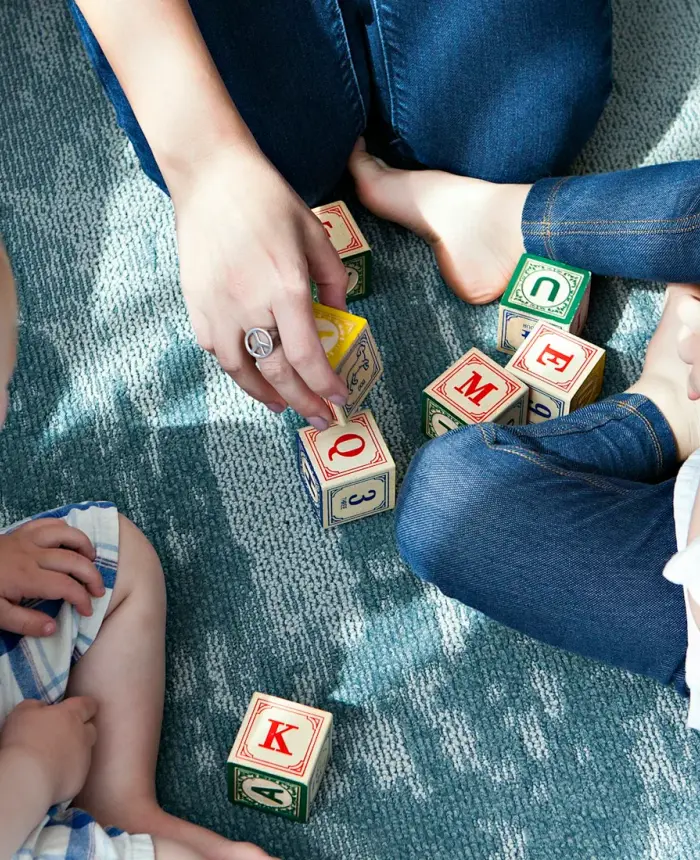
Reducing Anxiety and Separation Fears
Children with attachment issues often struggle with anxiety and separation fears. Establishing consistent routines can help. Let your child know what to expect each day. Consistency makes them feel safe. Create a goodbye ritual. This could be a special handshake or a comforting phrase. This makes departures less stressful.
Stay calm and patient. Your reassurance proves that they aren't alone and gives them confidence. Gradual separations help, too. Start with short separations, then slowly lengthen them as your child becomes more comfortable.
Promoting Healthy Sibling Relations
Sibling relationships are crucial for social and emotional development. Encourage positive interactions through shared activities. Simple games or joint art projects can help siblings bond. Teach conflict resolution. Prompt your child to express their feelings verbally rather than acting out. Encourage siblings to listen and respect each other’s emotions.
Set aside individual time for each child. Special one-on-one moments show your children they are loved and valued. Model positive behavior with your partner to demonstrate how to manage disagreements and express emotions in a healthy way.
Enhancing Social Skills
To enhance your child's social skills, encourage participation in group activities. Clubs or sports offer opportunities to practice interacting with peers. These settings help them learn cooperation and teamwork. Role-play different social scenarios with your child. Practice greetings or sharing toys to boost their confidence before interacting with other kids. Praise them when they successfully use social skills.
Encourage empathy by discussing emotions and situations with your child. Books and stories are excellent tools for showing how characters feel and react. This can help your child understand their own and others' emotions better.
Empowering Parents and Caregivers
Helping children with attachment issues requires patience, understanding, and informed strategies. Building a supportive environment means establishing realistic goals, maintaining your well-being, and guiding your child through changes effectively.
Setting Realistic Expectations
Recognizing the uniqueness of each child is crucial. Instead of expecting overnight progress, aim for small, measurable improvements in behavior and emotional responses. Acknowledge and celebrate these small victories—this reinforces positive behavior and encourages your child.
Remember, it's important to adjust your expectations based on what is achievable for your child. Keep in mind that maintaining flexibility can help reduce stress and create a more positive atmosphere at home. Involve your child in setting goals to foster collaboration and motivation.
Prioritizing Self-Care
Taking care of yourself is vital for effective parenting. Make time for activities that relax and rejuvenate you, whether it be reading, exercising, or spending time with friends. This helps in building resilience and maintaining a positive outlook.
Consider joining support groups or seeking therapy to process your feelings and gain new perspectives. Sharing experiences with others can provide encouragement and practical advice. When you are well-rested and emotionally balanced, you are better equipped to address your child’s needs.
Supporting Children Through Transitions
Transitions can be challenging for children with attachment issues. Prepare your child by explaining upcoming changes clearly and simply. Use visual aids like calendars or charts to provide a sense of stability and predictability.
Maintain routines where possible during transitions to provide comfort. Encourage your child to express feelings about the changes and validate these emotions. Provide reassurance by staying calm and consistent. Being supportive through these times strengthens trust and security, helping your child adapt more effectively.
Related Articles

Children
How to Discipline Adopted Children With Trauma
Compassionate, effective strategies for disciplining adopted children with trauma: building trust, managing behaviors, and applying TBRI methods.

Children
How to Build a Strong Bond With Your Adopted Child
Expert strategies for building a strong bond with your adopted child, from attachment theory to managing trauma and creating secure routines.

Children
Behavioral Therapy Approaches for Adopted Children
Effective behavioral therapy approaches for adopted children, including attachment-focused therapy and CBT to manage trauma and build family trust.